Winter nights in Tucson can feel mild compared with much of the country, but when your heater behaves unpredictably, the discomfort and HVAC company the risk to your home are real. I have been on service calls where a homeowner ignored subtle warnings and ended up with a cold house, a cracked heat exchanger, or an emergency bill that could have been halved with a timely visit. This article walks through the common and the not-so-obvious signs your heater needs service, why they matter, and what to expect when you call a local HVAC contractor Tucson AZ team like Plunkett Home Services.
Why noticing early matters A furnace or heat pump is a mechanical system with moving parts, electrical controls, and fuel or refrigerant pathways. Small issues grow fast. A dirty filter increases airflow resistance and forces fans to work harder, which shortens motor life. A minor gas leak or a cracked heat exchanger can cause dangerous combustion byproducts. Detecting problems early saves repair costs, preserves efficiency, and reduces downtime. It also keeps your home safer and more comfortable.
Common warning signs that actually mean something Below are the most reliable signals I see during service calls. They are ordered roughly from the easiest to spot to the kinds of problems that require a technician's diagnosis.
uneven heating from room to room and long run cycles If certain rooms never get warm while others heat normally, ductwork, dampers, or thermostat placement can be to blame. Long run cycles where the system runs for 30 minutes or more without cycling off indicate reduced efficiency. On one job, a single collapsed duct in the attic caused a living room to stay ten degrees cooler than the rest of the house. Fixing the ductwork and sealing connections restored balance and cut run time in half.
strange noises during startup or operation Popping, rattling, or banging are not normal. A metal popping sound often points to duct expansion and contraction if the furnace is oversized or ductwork is unanchored. Screeching suggests a failing blower motor belt or bearings; grinding often means motor bearings are on their last legs. Early diagnosis can avoid a full motor replacement, which is one of the pricier repairs.
yellow or flickering pilot light, or frequent cycling of ignition A healthy gas furnace pilot or burner flame should be steady and blue, with minimal yellow. A persistent yellow flame can indicate incomplete combustion and possible carbon monoxide production. Modern furnaces use electronic ignition; frequent failed ignitions or noisy ignition attempts demand immediate attention from a qualified HVAC repair professional.
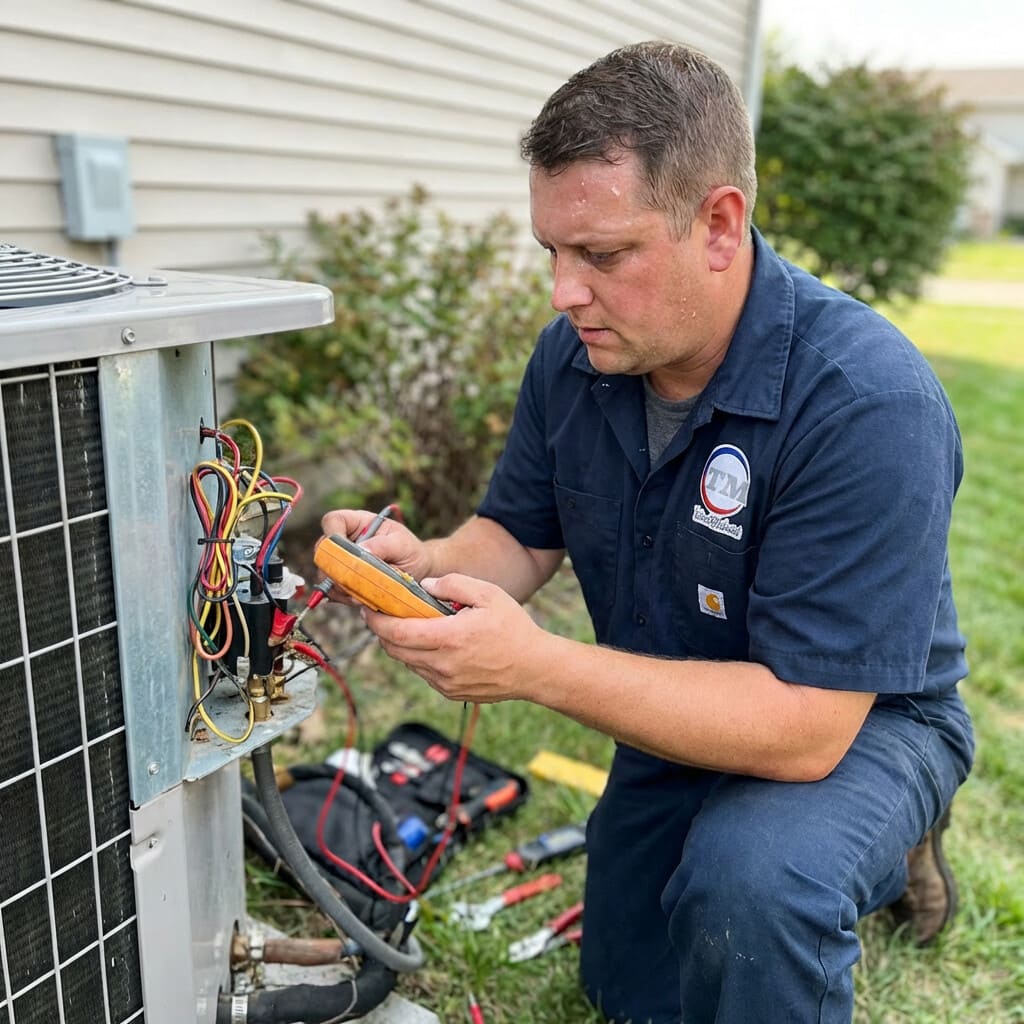
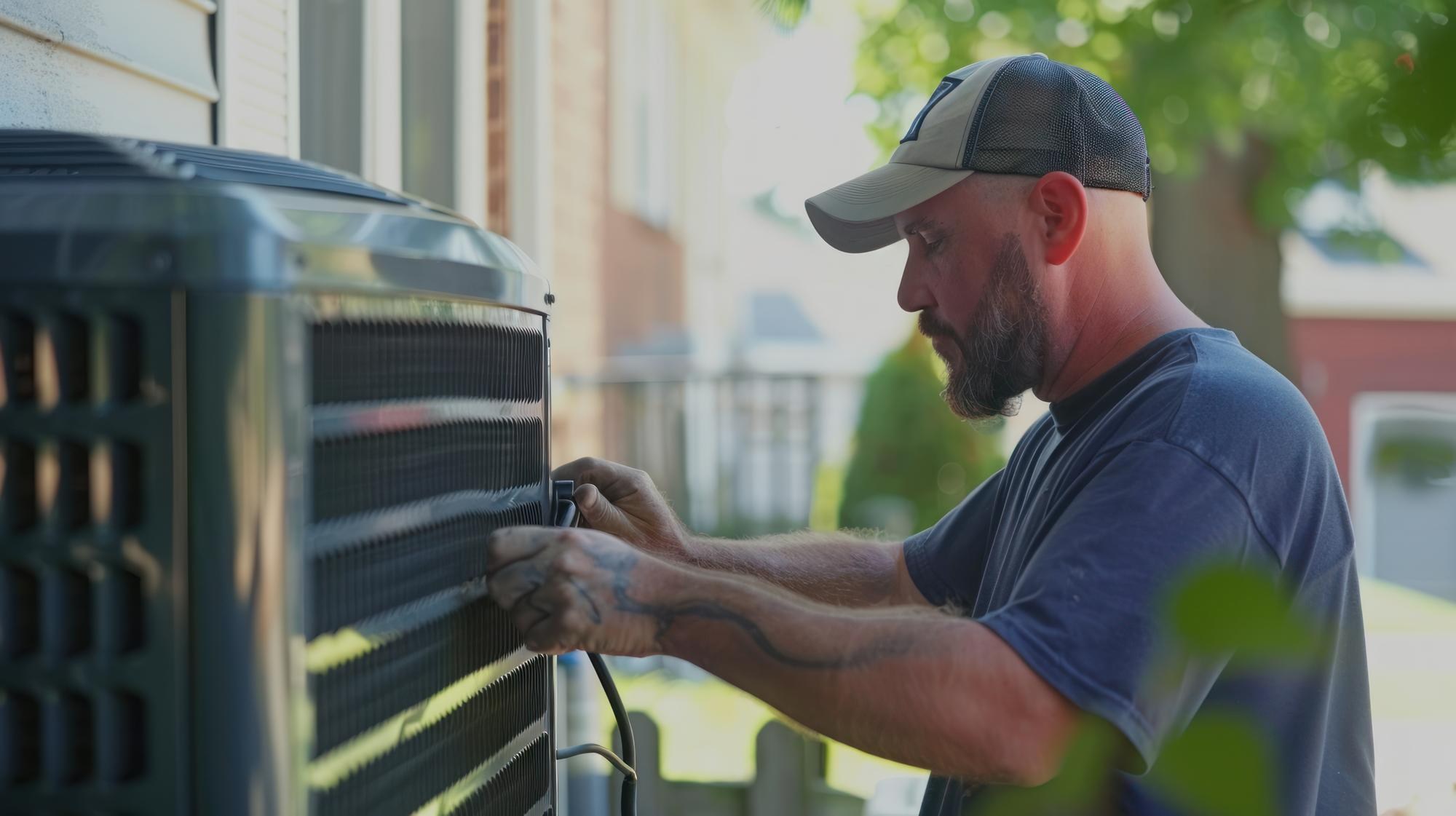
steadily rising energy bills with no usage change If your heating bills climb suddenly without a change in thermostat schedule or outdoor temperature, your system is working harder. Causes range from a clogged filter and failing blower to a failing heat exchanger or thermostat. In one example, a homeowner saw a 20 percent jump in winter energy use; a clogged heat exchanger plus reduced airflow was the culprit, resolved with cleaning and a new filter regimen.
odd odors when the system runs Dust burning off during the first warm-up of the season is normal and should disappear after a few cycles. Persistent burnt plastic smells, rotten or musty odors, or a sulfur or gas smell are not normal and require immediate attention. Musty smells can indicate microbial growth in ductwork or a condensate drain issue in heat pumps. Gas-like odors should trigger immediate evacuation and an emergency call to a licensed HVAC contractor Tucson AZ or the gas utility.
What less obvious signs reveal Some symptoms are subtle or episodic, but they point to underlying wear or safety risks. Pay attention to trends rather than isolated incidents.
- Pilot light behavior and ignition patterns. If your pilot goes out repeatedly, this could be a thermocouple or flame sensor problem, or insufficient airflow causing flame instability. Humidity and comfort complaints. A furnace that dries the air excessively might be oversized, which short cycles and prevents the system from effectively dehumidifying. In coastal or desert climates, humidity imbalance affects perception of warmth and can lead to thermostat adjustments that mask the true problem. Frequent short cycling. Short cycles shorten component life and often mean the system is oversized, the thermostat is mislocated, or safety limits are tripping because of restricted airflow. Visible rust or corrosion on the unit, especially around burners, heat exchanger, or refrigerant lines, signals long-term deterioration and should prompt an inspection. Electrical issues like blown fuses, tripped breakers, or scorch marks at wiring terminals require immediate professional attention.
What a professional inspection covers and why it matters When you call an HVAC Service Near Me, technicians perform a systematic check that home inspection rarely catches. A standard service visit typically includes cleaning or replacing filters, checking and cleaning burners or heat exchangers, testing ignition systems, measuring airflow and static pressure, inspecting electrical connections, testing safety controls, and verifying thermostat calibration. For heat pumps, refrigerant charge and reversing valve operation are checked. Plunkett Home Services and other local HVAC experts Tucson AZ follow manufacturer-recommended maintenance steps and can document findings in writing.
Some of these checks reveal deeply consequential issues. For example, a cracked heat exchanger is a safety problem that only a trained technician can detect reliably. Small leaks in ductwork reduce system capacity and indoor air quality. Low refrigerant in a heat pump not only reduces heating capacity but also risks compressor damage if left unchecked.
Deciding whether to repair or replace There is no one-size-fits-all answer. Solid judgment balances age, repair cost, efficiency, and the home's needs. Use this practical rule of thumb: if repair costs approach half the value of a new system and the unit is older than 12 to 15 years, replacement is often smarter. Also weigh efficiency gains. New high-efficiency furnaces and heat pumps can reduce fuel use by 15 to 40 percent compared with older systems, depending on the equipment they replace.
Example scenarios that call for replacement rather than repair
- An 18-year-old furnace needs a new heat exchanger. The cost is significant and the remaining expected life is limited. A heat pump with multiple refrigerant leaks has had two previous major repairs. Continued leaks suggest systemic degradation. The homeowner is planning a home remodel that changes duct layout or adds conditioned space; a new properly sized system will perform better.
What to expect during a service call A trustworthy HVAC contractor Tucson AZ starts with a clear explanation and a written estimate before any work begins. They will ask how long the issue has been occurring, any recent changes in the home, and whether the problem is intermittent. The technician should arrive with common replacement parts like flame sensors, belts, filters, and basic capacitors. If the issue requires more complex parts, they will explain the timeline. For safety-related failures, expect the technician to shut down the system and recommend immediate repairs.
A brief real-world anecdote I once serviced a mid-century home with a furnace that cycled on and off every five minutes. The homeowner had installed a new thermostat and assumed that was the issue. The problem turned out to be a combination of an oversized furnace installed years earlier and a blocked return grille in the hallway. Replacing the grille with a larger-perforation model and adjusting the thermostat placement resolved the cycling. A full system replacement would have been expensive and unnecessary at the time. That job reinforced how quick diagnostics, not assumptions, save money.
When to call immediately There are a few red flags that warrant an immediate call to a heating contractor Tucson or emergency services.
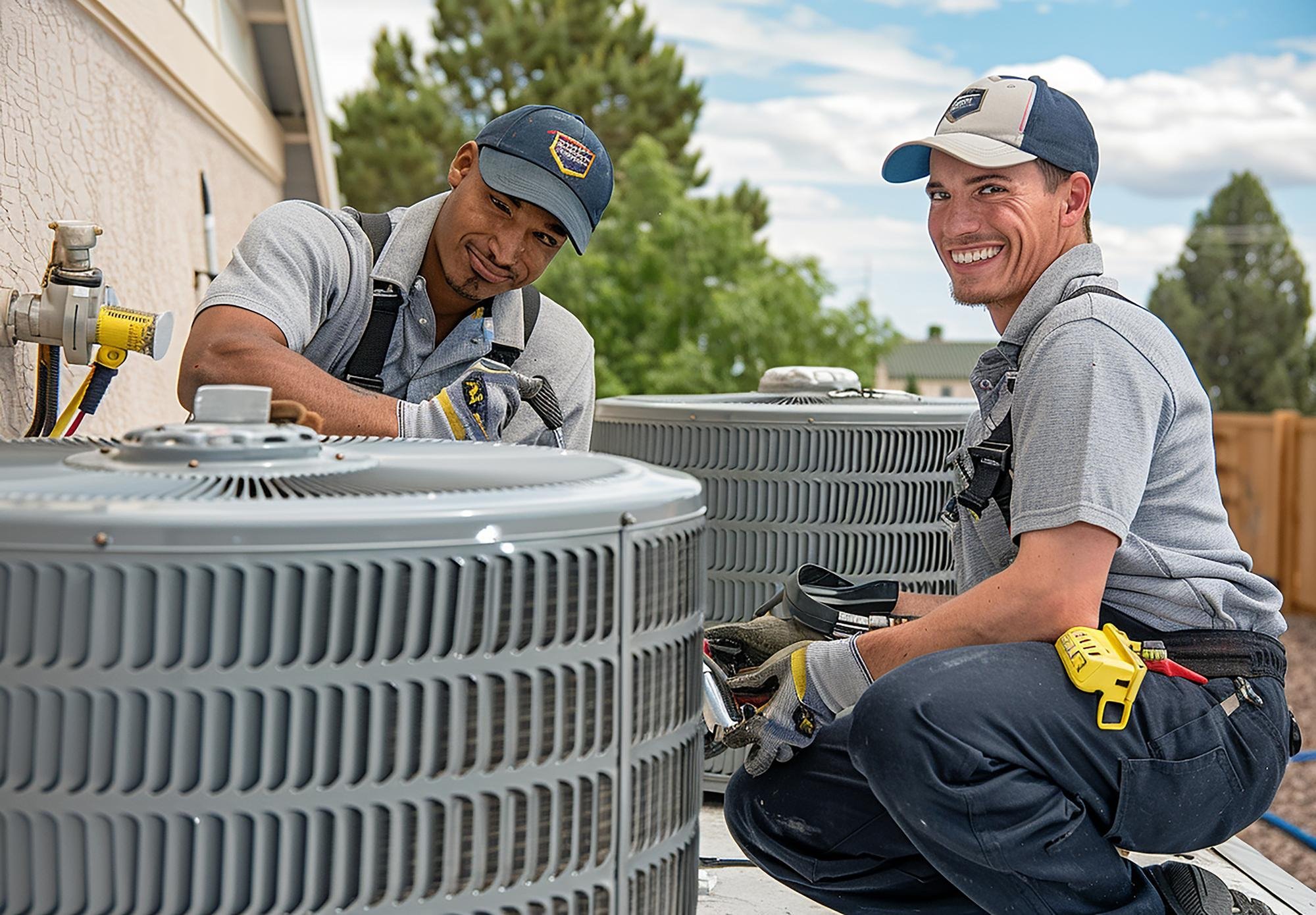
any smell of natural gas or a persistent rotten egg odor Natural gas companies add an odorant precisely to make leaks detectable. Evacuate and call the utility and an HVAC contractor immediately.
carbon monoxide alarm activation or symptoms of CO poisoning Symptoms include headache, dizziness, nausea, and confusion. If anyone experiences these, get fresh air and call emergency services and a licensed technician to inspect combustion appliances.
visible flames, sparks, or smoke from the unit Turn off the furnace at the main switch and the gas supply if safe. Call 911 if there are active flames.
Routine maintenance that prevents most problems Most failures are avoidable with seasonal maintenance. Have a technician inspect and tune the system once before the heating season. Replace filters every 1 to 3 months depending on filter type and occupancy. Keep vents and returns unobstructed. For gas furnaces, scheduling a clean and tune annually keeps burners efficient and safe. For heat pumps, check refrigerant lines and condensate drains during fall service to avoid winter freezes and backups.
Simple checks you can do before calling a technician
- Ensure circuit breakers are on and thermostats are set to heat, not fan-only or off. Replace or clean the air filter and look for visible obstructions at supply and return registers. Listen for abnormal sounds or watch for cycling patterns. Note the exact behavior to report to the technician.
A short checklist to tell your technician when they arrive
how long the issue has been present and whether it is constant or intermittent any recent changes such as thermostat replacement, home renovations, or pets in the attic the model and approximate age of the heating unit if known whether there are warning lights or error codes visible on the thermostat or furnace whether neighbors have experienced similar issues, which can indicate a utility problemChoosing the right HVAC contractor in Tucson Not all contractors are the same. Look for licensed technicians with strong local reviews and clear communication. Ask about insurance, manufacturer certifications, and whether they offer written guarantees on parts and labor. Local companies like Plunkett Home Services emphasize quick response times and familiarity with Tucson homes, including common issues with attic duct runs and solar heat gain that affect heating loads. Request an itemized estimate and avoid quotes that pressure you to sign immediately without a written scope.
Financing, warranties, and energy rebates Many homeowners worry about cost. Most reputable HVAC companies offer financing plans and can help identify utility or manufacturer rebates for high-efficiency systems. Warranty terms vary; look for labor warranties in addition to parts warranties. If you have a system that qualifies for a rebate, a technician can advise whether replacing an existing unit now will lower long-term costs.
When the fix is temporary Some repairs are stopgap measures that buy time until a full replacement is practical. A repaired motor might come back for a new bearing in a few years, or a repaired refrigerant leak may reappear if caused by corrosion. A good technician will explain the expected lifespan of the repair and discuss long-term options. Accepting a temporary fix makes sense when budget constraints are tight and the homeowner understands the trade-off.
Final persuasive note Heater problems rarely get better on their own. Small issues escalate from minor inefficiencies to safety hazards. If you notice persistent noise, uneven heating, odd odors, rising bills, or warning lights, call a qualified HVAC repair or an HVAC contractor Tucson AZ without delay. Local HVAC experts Tucson AZ, including teams like Plunkett Home Services, know common Tucson-specific challenges, respond to emergency calls, and can help you weigh repair versus replacement with concrete numbers. Investing in a professional inspection now can protect comfort, safety, and your budget later.
Plunkett Home Services
3144 E Fort Lowell Rd, Tucson, AZ 85716
+1 (520) 808-2743
[email protected]
https://callplunkett.com/